
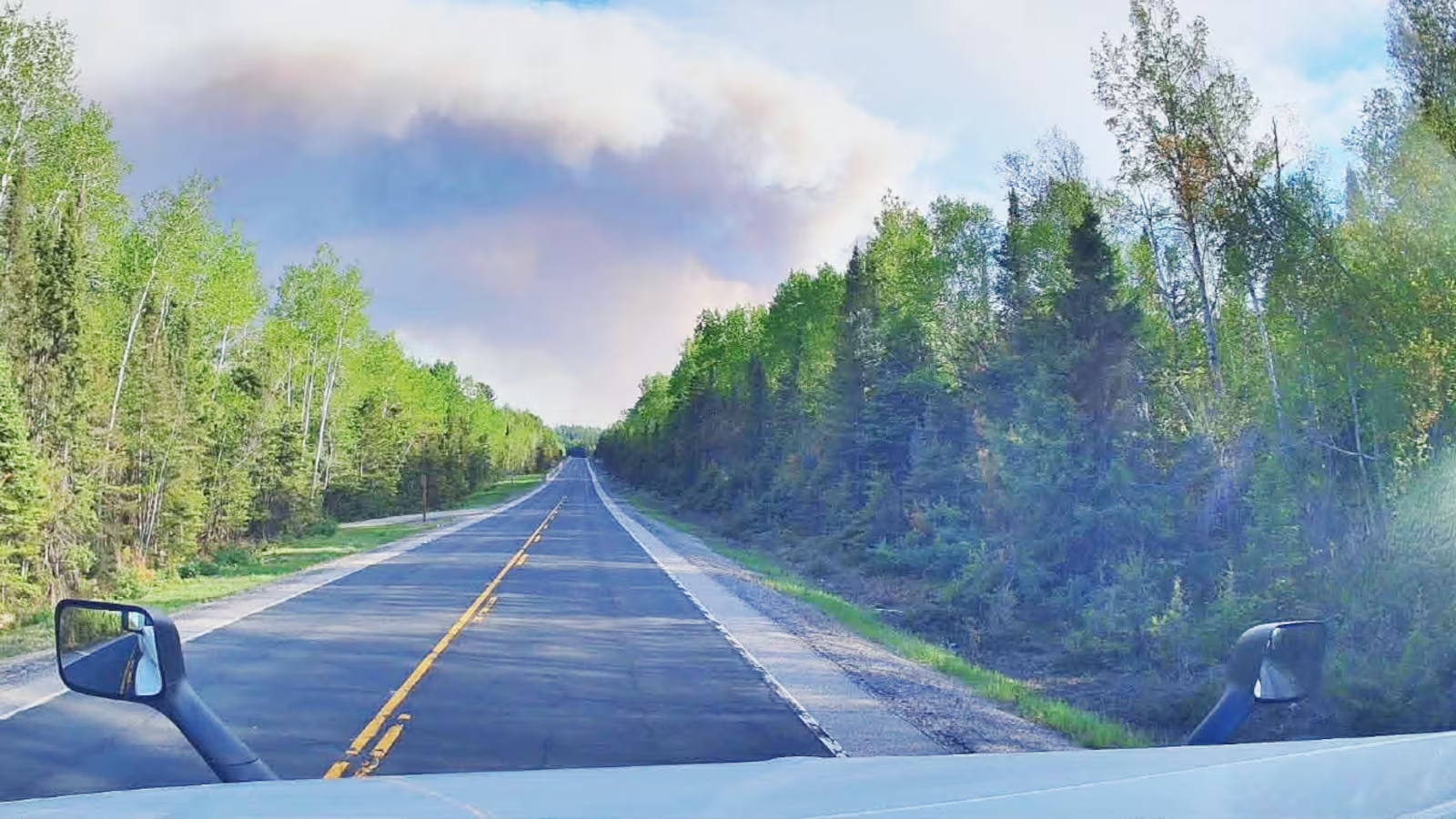
After days of rapid expansion that forced the evacuation of Mattagami First Nation, firefighters in northern Ontario are finally reporting encouraging progress against the massive Timmins 9 wildfire.
Favourable weather conditions, cooler temperatures, scattered rainfall, and aggressive aerial firefighting efforts have helped slow the wildfire’s advance, offering a glimmer of hope to evacuated residents anxiously awaiting news about their community.
Although the fire remains out of control, emergency officials say the situation has improved significantly compared to earlier in the week when the blaze was growing at an alarming rate.
Fire Growth Slows After Explosive Expansion
The Timmins 9 wildfire experienced explosive growth during the first half of the week.
The blaze expanded from approximately 350 hectares to nearly 3,000 hectares in just a few days, prompting authorities to issue mandatory evacuation orders for Mattagami First Nation and raise concerns for nearby communities.
By Friday evening, Ontario Forest Fires reported that the wildfire had reached approximately 3,399 hectares. While still a very large fire, officials noted that the rate of growth had slowed considerably thanks to improving weather conditions and successful suppression efforts.
Rain and Cooler Temperatures Help Firefighters
Fire officials say scattered rain showers and lower temperatures played an important role in reducing fire behaviour.
The improved weather allowed firefighting crews to strengthen containment efforts and focus on critical sections of the fire perimeter.
Authorities noted that although rainfall amounts were not substantial, the moisture helped reduce fire intensity and provided valuable support for ground and aerial operations.
Massive Firefighting Response Continues
A large firefighting force remains deployed around the wildfire.
Ontario Forest Fires confirmed that multiple FireRanger crews, helicopters, air tankers, and heavy equipment continue working to contain the blaze.
According to Mattagami First Nation Fire Chief Curtis Fowler, at least 13 ground crews are actively fighting the fire while additional resources continue arriving in the area.
Aircraft Playing Key Role
Aerial firefighting operations have become one of the most important tools in slowing the wildfire’s advance.
Helicopters and fixed-wing aircraft have been repeatedly dropping water and fire retardant on active fire fronts, helping cool hotspots and support firefighters working on the ground.
Officials credited water bombers with preventing the fire from crossing critical transportation routes and threatening additional communities.
Fire Remains Less Than Seven Kilometers Away
Despite recent progress, the wildfire remains dangerously close to populated areas.
Officials say the fire is still located less than seven kilometers from the community of Gogama, where emergency authorities have already begun preparing contingency evacuation plans.
During a recent public information meeting, emergency managers outlined transportation arrangements and evacuation procedures should conditions worsen.
Communities Remain on High Alert
Authorities have arranged buses and transportation resources for residents who may require assistance during a possible evacuation.
Plans have also been developed to support individuals with accessibility needs as well as pet owners who may need assistance relocating animals.
While officials remain encouraged by the slowing fire growth, they stress that conditions can change rapidly.
Residents Hoping for More Rain
The recent rainfall has provided some optimism for both firefighters and evacuated residents.
Local leaders say the fact that the wildfire did not cross Highway 144 represents an important success in the ongoing battle against the blaze.
Mattagami First Nation Chief Jennifer Constant acknowledged that the entire community remains focused on daily updates as firefighting efforts continue.
Evacuation Has Been Difficult for Residents
Many residents describe the evacuation as an emotional and stressful experience.
Being forced to leave homes, families, and community members behind has created significant anxiety as people wait for news about when they may be able to return.
Community leaders have expressed gratitude toward firefighters, emergency responders, and aviation crews who continue working around the clock to protect homes and infrastructure.
Fire Chief Vows to Stay
As the wildfire continues burning nearby, Fire Chief Curtis Fowler says he remains committed to staying with the community for as long as possible.
Fowler stated that his goal is to remain on the front lines until the danger has passed, reflecting the determination shared by many emergency responders battling the wildfire.
His comments have become symbolic of the broader effort underway across northern Ontario, where firefighters continue working tirelessly to protect communities threatened by an increasingly intense wildfire season.
Critical Days Still Ahead
Although conditions have improved, officials warn that Timmins 9 remains an active and dangerous wildfire.
Fire crews will continue taking advantage of favourable weather conditions while monitoring forecasts closely for any return of hot, dry, and windy conditions.
For now, residents and emergency officials remain cautiously optimistic as firefighting efforts begin to show results.


