

The ocean can sometimes form giant checkerboard patterns known as square waves or cross seas — a rare but dangerous phenomenon linked to powerful wave collisions and maritime risks.
At first glance, the ocean looks almost unreal.
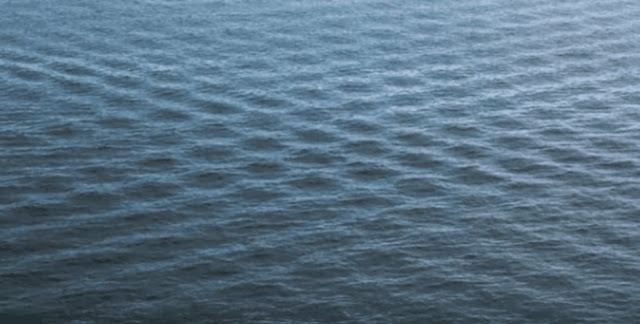
Massive waves move across the sea in a perfect grid pattern, forming giant squares on the water’s surface. From above, the phenomenon appears strangely symmetrical — almost as if the ocean itself has been divided into geometric blocks.
These rare formations are known as “square waves” or “cross seas,” and despite their breathtaking appearance, scientists warn that they can be extremely dangerous.
In some cases, this unusual ocean phenomenon has been linked to ship accidents, dangerous currents, and deadly conditions for swimmers and small boats.
What Are Square Waves?
Square waves occur when two different wave systems move across the ocean from different directions and intersect with one another.
Instead of waves traveling in a single uniform direction, the sea becomes crossed by separate swells that collide at nearly perpendicular angles. This interaction creates the famous checkerboard pattern visible from cliffs, drones, aircraft, and satellites.
The phenomenon is scientifically known as a “cross sea” and usually develops when strong weather systems generate waves from multiple directions at the same time. The result is one of the strangest and most visually spectacular patterns found in nature.
Why Are Square Waves Dangerous?
Although square waves may look calm or beautiful from a distance, oceanographers consider them highly hazardous.
The crossing wave patterns create unpredictable and chaotic currents beneath the surface. Boats can suddenly lose stability as waves strike from multiple directions instead of following a single predictable rhythm.
These conditions can become dangerous for:
- small boats,
- swimmers,
- surfers,
- and even larger vessels during severe weather.
According to marine experts, cross seas have been associated with numerous maritime accidents over the years because the ocean becomes far more unstable than it appears visually.
The Famous “Square Wave” Beaches
One of the best-known locations for observing square waves is near Île de Ré on the western coast of France.
The phenomenon is especially visible there because Atlantic swells often intersect with locally generated wind waves, creating near-perfect ocean grids. Tourists frequently gather on nearby cliffs to photograph the surreal patterns from above, while warning signs caution visitors about the dangers of entering the water during cross sea conditions.
Similar wave formations have also been observed across parts of the Atlantic Ocean, coastal Europe, and island regions affected by multiple storm systems.
How Do Square Waves Form?
Square waves typically form when separate weather systems interact across large ocean areas.
For example, one distant storm may generate a long swell moving in one direction, while local winds produce a second wave pattern traveling another way. When these systems meet, the ocean surface develops the striking checkerboard effect that makes square waves so recognizable.
Meteorologists and oceanographers closely study these interactions because they reveal important information about marine weather conditions and atmospheric circulation.
Are Square Waves Rare?
Cross seas themselves are not extremely rare, but perfectly visible square wave patterns are uncommon.
Most intersecting wave systems are too disorganized to create clearly defined geometric shapes. The most dramatic square waves usually require stable swell directions, organized wave periods, and favorable viewing conditions.
Drone footage and aerial photography have helped make the phenomenon increasingly popular online, with videos of square waves frequently going viral on social media.
Could Climate Change Affect Ocean Wave Patterns?
Scientists continue studying how climate change may influence ocean behavior and global storm systems.
As atmospheric patterns evolve and some storms become more intense, certain marine conditions could potentially favor more complex wave interactions in parts of the world. However, researchers emphasize that square waves themselves are natural ocean phenomena and not direct evidence of climate change.
One of Nature’s Most Fascinating Ocean Phenomena
Square waves remain one of the ocean’s most mysterious and visually stunning spectacles.
What appears from above as a perfectly organized geometric pattern is actually a powerful interaction of energy, wind, storms, and ocean motion — one capable of turning the sea into a dangerous and unpredictable environment within seconds.
For scientists, sailors, and weather enthusiasts alike, cross seas are a reminder that even the most beautiful natural phenomena can hide serious risks beneath the surface.


