Deadly floods devastate Afghanistan as heavy rains continue
The death toll from catastrophic flooding in Afghanistan has climbed to 99 people, with at least 154 injured, as relentless rainfall continues to impact large parts of the country.
According to the National Disaster Management Authority, the flooding began on March 26 and has already affected nearly 6,000 families, leaving widespread destruction in its wake. Entire communities are now struggling to cope with the aftermath of one of the most severe flooding events in recent years.
Thousands of homes destroyed and farmland wiped out
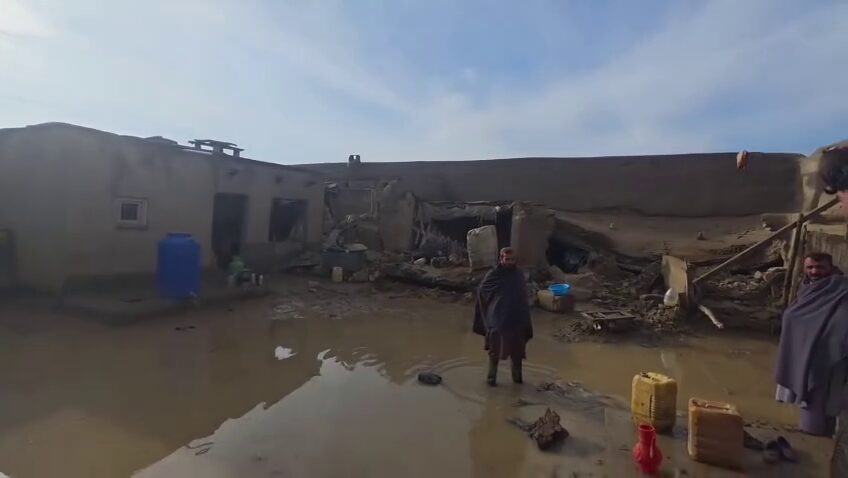
Authorities report that more than 3,600 homes have been completely destroyed, leaving thousands of people without shelter. Families have been forced to abandon their properties, with many now living in temporary or unsafe conditions.
Over 11,600 jeribs (around 5,700 acres) of farmland have been lost, dealing a devastating blow to rural livelihoods. Agriculture is a key source of income for many Afghan families, and this destruction threatens food security across multiple regions.
At the same time, at least 337 kilometers of roads have been damaged, severely limiting access for emergency services and humanitarian aid. This has made rescue and relief operations even more difficult as the crisis deepens.
Widespread impact across more than 20 provinces
In just the past 24 hours, at least 11 people were killed and 11 injured as floods swept through multiple provinces including Kabul, Kandahar, Herat, Nangarhar and many others.
The disaster now spans more than 20 provinces, affecting northern, southern, eastern and western parts of the country. The scale of destruction highlights how widespread and severe this event has become.
Survivors describe total devastation
Residents in the hardest-hit areas describe scenes of complete destruction and despair. Homes have been reduced to rubble, fields submerged, and entire villages cut off from assistance.
“We have lost everything,” said a resident from Nangarhar province. “Our homes, crops, and livelihoods are gone. We urgently need help.”
Many families have also lost livestock and income, pushing them deeper into hardship and uncertainty as they try to rebuild their lives.
Humanitarian crisis deepens as aid struggles to reach victims
Thousands of families remain displaced, with limited or no access to food, clean water, and shelter. The situation is becoming increasingly critical, especially in remote areas.
Although local authorities say emergency response efforts are underway, the sheer scale of the disaster has overwhelmed available resources. Aid organizations warn that the humanitarian situation could worsen significantly in the coming weeks.
Flooding adds to growing natural disaster pressure
The crisis has been compounded by a recent earthquake that killed at least nine people, adding further pressure to already strained infrastructure and emergency systems.
Afghanistan is highly vulnerable to seasonal flooding, particularly during spring, when heavy rainfall and snowmelt increase the risk of widespread damage.
A country struggling to cope with repeated disasters
The latest flooding disaster highlights Afghanistan’s limited capacity to respond to large-scale natural hazards. Rural communities, already facing economic hardship, are among the most affected.
With rainfall continuing and damage reports still emerging, authorities fear that the true scale of the disaster may be even greater in the coming days.