



Typhoon Kalmaegi has left at least 140 people dead and 127 missing after torrential rains and floods devastated central parts of the Philippines this week. Officials described the flooding as “unprecedented” as the storm now gathers strength on its way toward Vietnam.
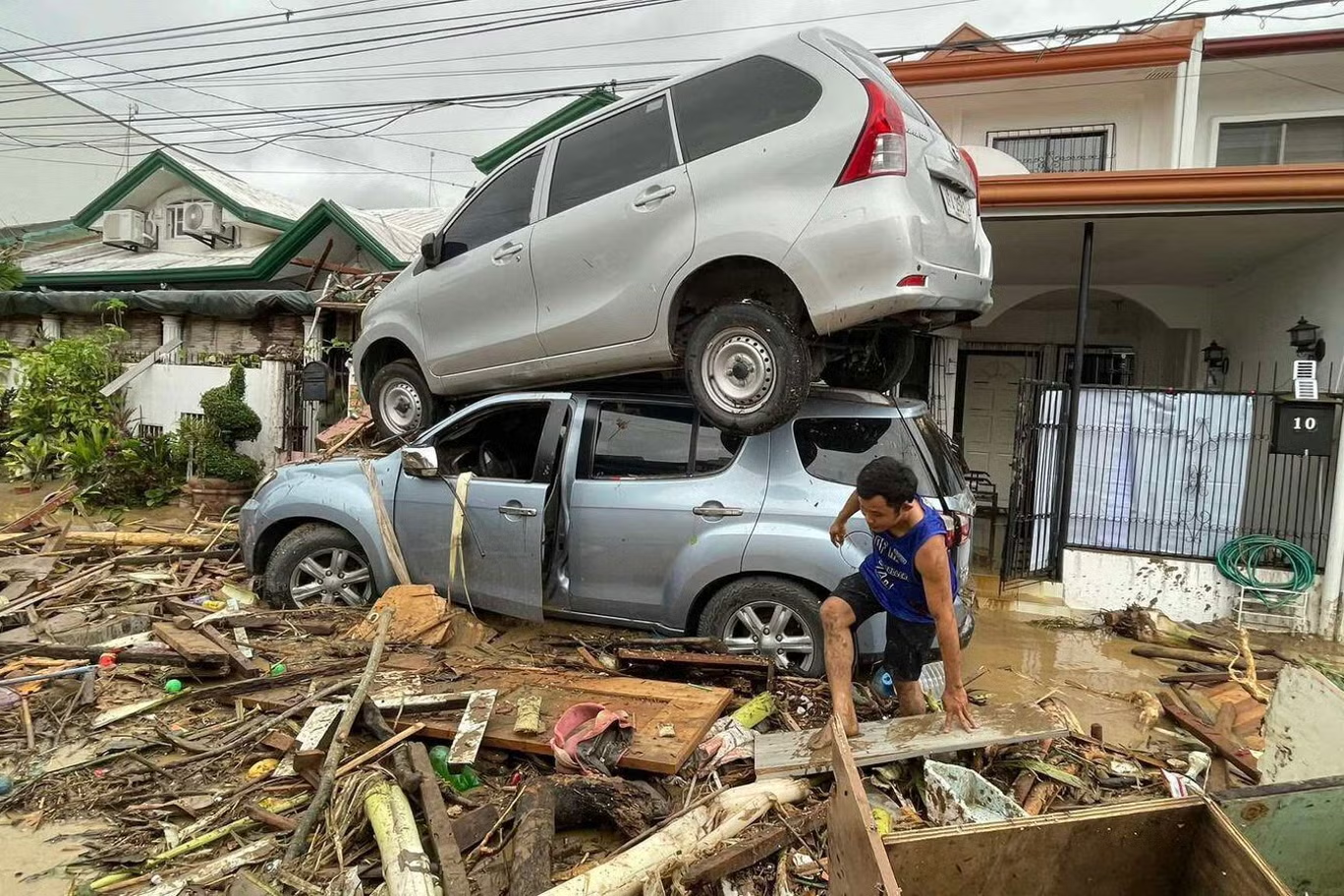
According to the Philippine civil defence office, 114 deaths have been officially confirmed, with an additional 28 fatalities recorded in Cebu province. Nearly 800,000 people were displaced as floodwaters surged through towns and cities, sweeping away homes, vehicles, and even large shipping containers.
In Liloan, near Cebu City, rescuers continued to recover bodies from thick mud and debris. Residents described the horror of rising waters and the desperate attempts to save loved ones. “We tried to pry open my sister’s door, but it wouldn’t budge,” said Christine Aton, whose sister Michelle, a person with a disability, drowned inside their flooded home.
In Negros Island, at least 30 people died when heavy rains triggered volcanic mudflows from Mount Kanlaon, burying homes in Canlaon City. Police officials said past eruptions had left unstable volcanic deposits that collapsed under Kalmaegi’s torrential downpour.
Among the confirmed fatalities were six crew members of a military helicopter that crashed while delivering relief supplies to isolated communities.
By the morning of November 5, residents across Cebu were cleaning up streets that had turned into rivers less than a day earlier. “The water was so strong you couldn’t even step outside,” said shop owner Reynaldo Vergara from Mandaue. “Nothing like this has ever happened. The water was raging.”
Weather experts reported that the Cebu region received 18.3 centimeters (7 inches) of rain in just 24 hours — far above its usual monthly average. Provincial Governor Pamela Baricuatro called the disaster “devastating” and warned that recovery could take months.
Scientists warn that climate change is making storms more intense and destructive. Warmer oceans allow typhoons to strengthen rapidly, while higher atmospheric temperatures increase rainfall intensity.
Kalmaegi is already the 20th storm to hit the Philippines this year, matching the country’s annual average, with several more expected before the end of December.
Vietnam on High Alert
As of November 6, Typhoon Kalmaegi had strengthened further, with sustained winds of 155 km/h (96 mph) and gusts reaching 190 km/h (118 mph). Vietnam’s national weather bureau forecasts waves up to eight meters (26 feet) high and warns of dangerous storm surges along the central coast.
Deputy Prime Minister Tran Hong Ha urged local authorities to prepare for what he called “a very abnormal and dangerous storm,” as Vietnam braces for its 13th typhoon of 2025, far exceeding the yearly average of ten.
Authorities across the region are now racing to mitigate further losses as Kalmaegi continues its deadly path across Southeast Asia.


