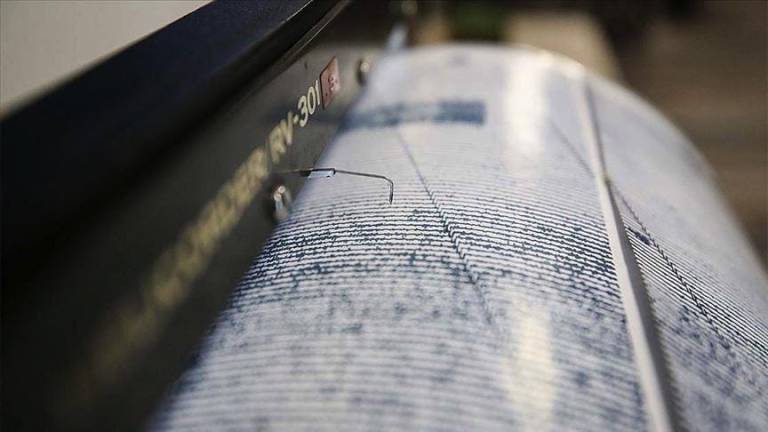
On March 11, 2011, Japan experienced one of the most powerful natural disasters ever recorded in modern history. A massive earthquake measuring magnitude 9.0–9.1 struck beneath the Pacific Ocean off the northeastern coast of Honshu, the country’s largest island.
The earthquake occurred at 14:46 local time and lasted for several minutes, shaking buildings across large parts of the country. It was the strongest earthquake ever recorded in Japan and one of the most powerful earthquakes ever measured worldwide.
The seismic event originated about 130 kilometers east of the city of Sendai, at a depth of roughly 30 kilometers beneath the seabed.
A massive tsunami strikes the Japanese coast
Only minutes after the earthquake, a devastating tsunami began moving toward Japan’s northeastern coastline.
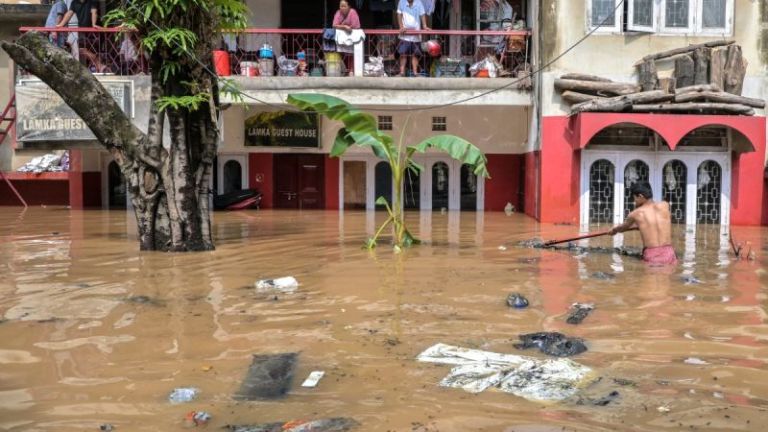
Some of the waves reached heights of more than 40 meters, crashing into coastal cities and sweeping away everything in their path. The tsunami moved inland at tremendous speed, flooding farmland, roads and entire towns.
In some areas the water traveled up to 10 kilometers inland, destroying homes, businesses, ports and infrastructure.
The impact was catastrophic. Entire neighborhoods were wiped out in a matter of minutes as cars, ships, houses and debris were carried inland by the massive waves.
Widespread destruction across northeastern Japan
The regions of Miyagi, Iwate and Fukushima were among the most severely affected areas.
Satellite images and aerial footage revealed widespread devastation along the Pacific coast. Ports were destroyed, highways were submerged, and thousands of buildings were flattened by the tsunami.
The disaster also caused severe disruptions to electricity, transportation and communication networks across large parts of the country.
Millions of people were left without power, while airports, railways and roads were heavily damaged.
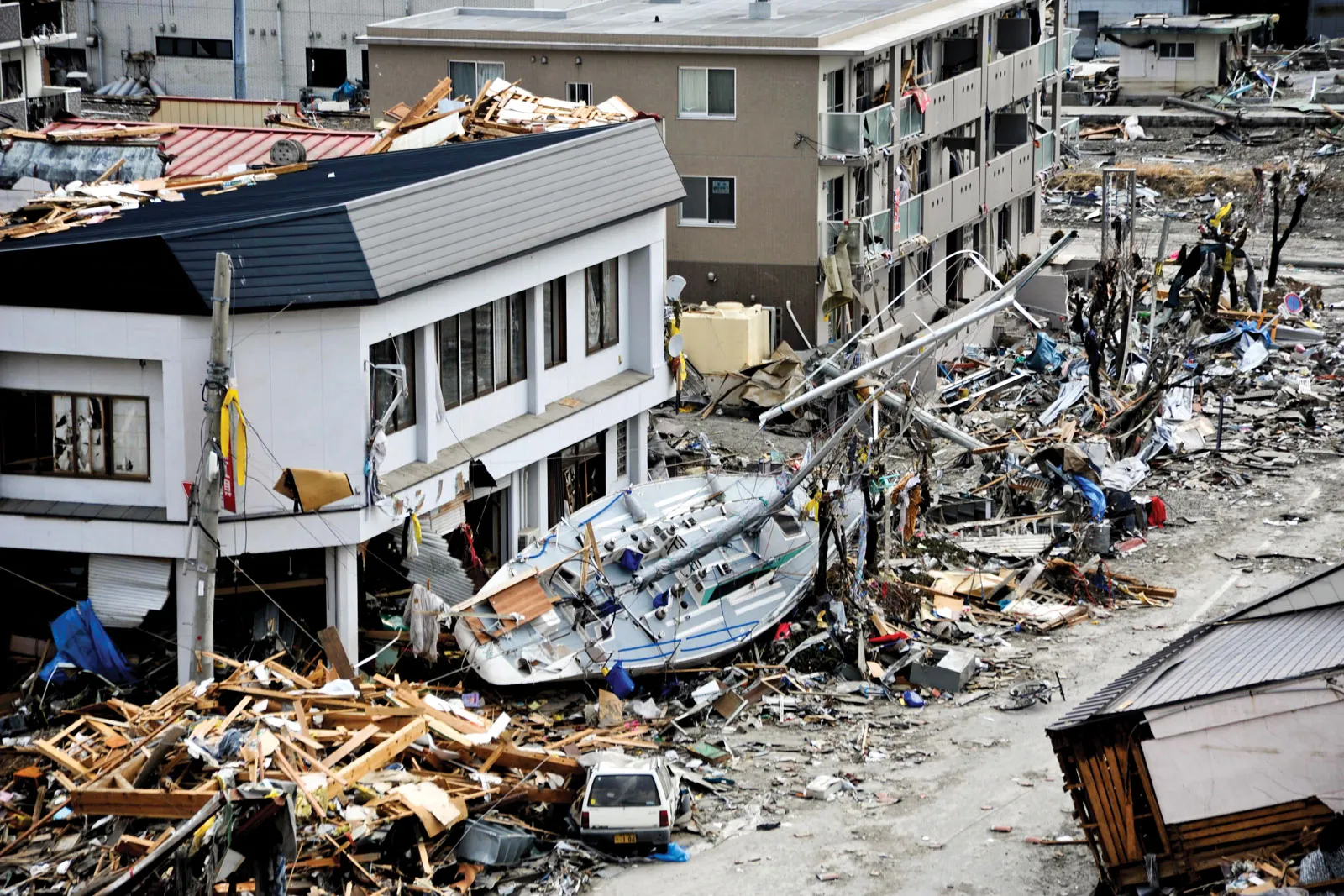
The human toll was devastating. According to official figures, the disaster claimed the lives of nearly 20,000 people, with thousands more injured or missing. More than 120,000 buildings were destroyed, and over 450,000 people were displaced in the immediate aftermath.
The economic impact was equally staggering. The Japanese government estimated the cost of the damage at around $235 billion, making it the most expensive natural disaster in history. Infrastructure, including roads, railways, and ports, suffered extensive damage, severely hampering rescue and recovery efforts.
The Fukushima Nuclear Disaster
The tsunami also triggered a nuclear crisis at the Fukushima Daiichi Nuclear Power Plant. The massive waves disabled the plant’s emergency cooling systems, causing reactors to overheat and leading to hydrogen explosions in several units. Large amounts of radioactive material were released into the air and sea, prompting mass evacuations from a 20-kilometer radius around the plant.
The Fukushima disaster reignited global debates about the safety of nuclear energy, pushing Japan to temporarily shut down all of its nuclear reactors for safety checks and to rethink its energy policies.

Thousands of victims and massive displacement
The human toll of the disaster was enormous.
Nearly 20,000 people were killed or reported missing, making it one of the deadliest natural disasters in Japan’s modern history.
Hundreds of thousands of residents were forced to evacuate their homes, many of them losing everything they owned.
In total:
More than 120,000 buildings were completely destroyed
Over 300,000 people were displaced
Entire communities were left devastated
Most of the casualties were caused by the tsunami rather than the earthquake itself.
The Fukushima nuclear disaster
The crisis worsened dramatically when the tsunami struck the Fukushima Daiichi nuclear power plant.
The massive waves disabled backup power systems and flooded the facility, causing the plant’s cooling systems to fail. This led to nuclear meltdowns in several reactors, releasing radioactive materials into the surrounding environment.
Authorities quickly ordered evacuations around the plant, forcing tens of thousands of people to leave their homes.
The Fukushima disaster became the worst nuclear accident since Chernobyl in 1986.
A disaster felt around the world
The earthquake was so powerful that it shifted parts of the Earth’s crust and slightly altered the planet’s rotation.
Scientists reported that the event moved Japan’s main island by several meters and caused measurable changes to the Earth’s axis.
The tsunami also crossed the Pacific Ocean, reaching the shores of countries such as Hawaii, Chile and the United States, although with far less destructive effects.
Japan’s recovery and resilience
In the years following the disaster, Japan launched one of the largest reconstruction efforts in its history.
The government invested heavily in rebuilding infrastructure, constructing stronger coastal defenses and improving early warning systems for earthquakes and tsunamis.
Japan also strengthened its disaster preparedness policies, emphasizing evacuation planning, improved building standards and advanced monitoring technologies.
A lasting reminder of nature’s power
More than a decade later, the 2011 Tōhoku earthquake and tsunami remain a defining moment in Japan’s history.
The disaster serves as a powerful reminder of the immense forces of nature and the importance of preparedness in regions vulnerable to earthquakes and tsunamis.
For scientists and policymakers around the world, the event continues to provide valuable lessons on disaster response, resilience and the need for improved early warning systems.