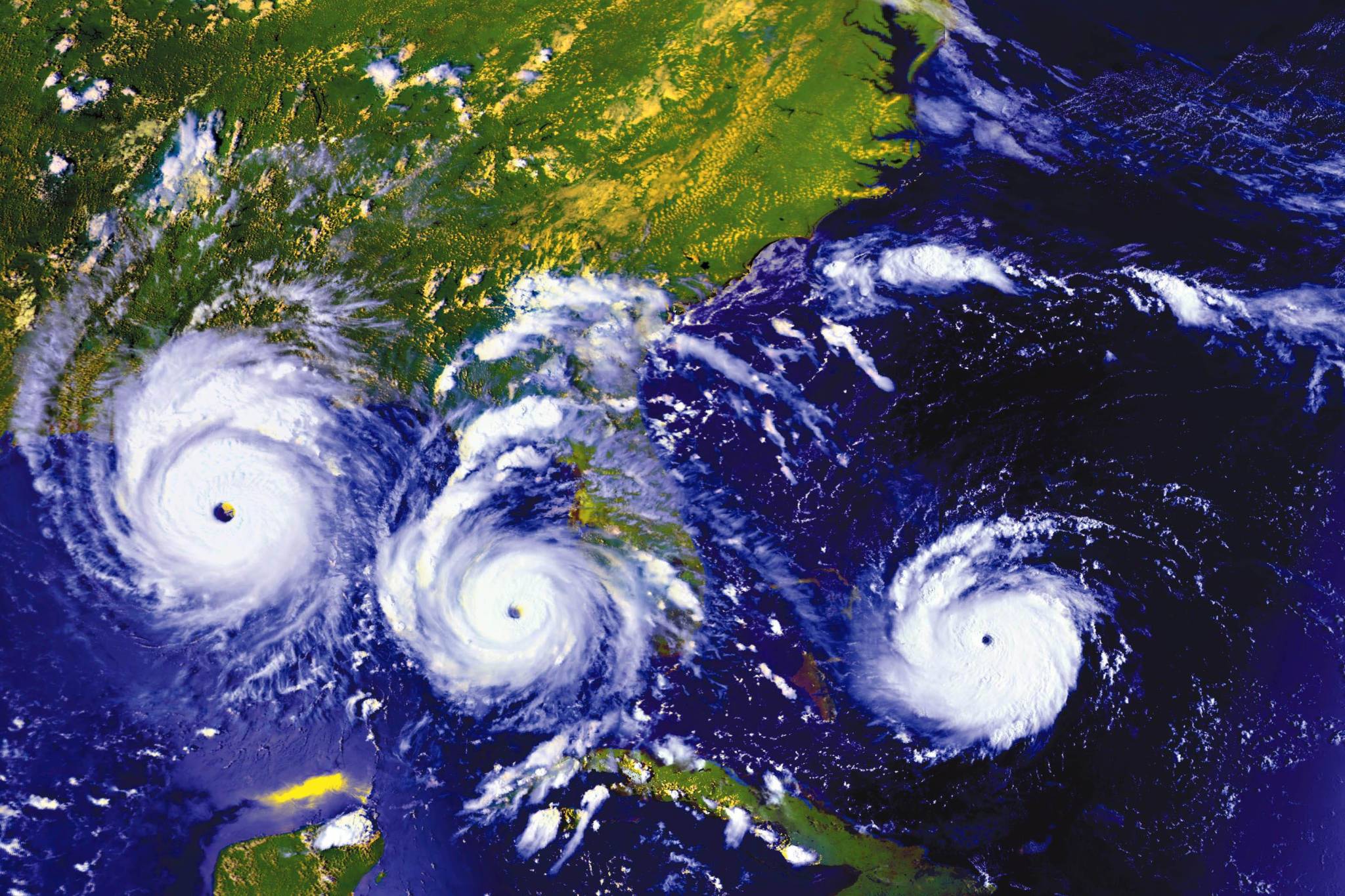
Hurricane Andrew was a catastrophic Category 5 storm that devastated Florida and the Bahamas in 1992, leaving lasting impacts on hurricane preparedness.
The rise of one of the most powerful hurricanes
Hurricane Andrew remains one of the most destructive and memorable storms ever to strike the United States.
Forming in August 1992, the hurricane rapidly evolved from a simple tropical disturbance into a catastrophic Category 5 system, leaving a trail of destruction across the Bahamas, Florida, and Louisiana.
Its intensity and impact reshaped how hurricanes are understood and managed in the United States.
How Hurricane Andrew formed
From tropical wave to powerful storm
Andrew began as a tropical wave off the west coast of Africa in mid-August 1992. These types of systems are common during hurricane season and often serve as the starting point for major storms.
As the system moved westward across the warm waters of the Atlantic Ocean, it gradually became more organized. On August 16, it strengthened into a tropical depression, marking the official beginning of its development.
Just one day later, it intensified into a tropical storm and was given the name Andrew.
Rapid intensification into a Category 5 hurricane
As Andrew continued its journey across the Atlantic, conditions became increasingly favorable for strengthening.
Warm ocean waters and low wind shear allowed the storm to intensify rapidly. Within just a few days, Andrew transformed into a full hurricane.
What followed was a process known as rapid intensification, where wind speeds increase dramatically in a short period of time. Andrew’s winds surged beyond 165 miles per hour (270 km/h), pushing it into Category 5 status on the Saffir-Simpson Hurricane Wind Scale.
Landfall and destruction
Impact in the Bahamas
Andrew first made landfall in the Bahamas on August 23, 1992, striking Eleuthera as a Category 5 hurricane.
The storm caused severe damage across the islands before continuing toward the United States.
Devastation in Florida
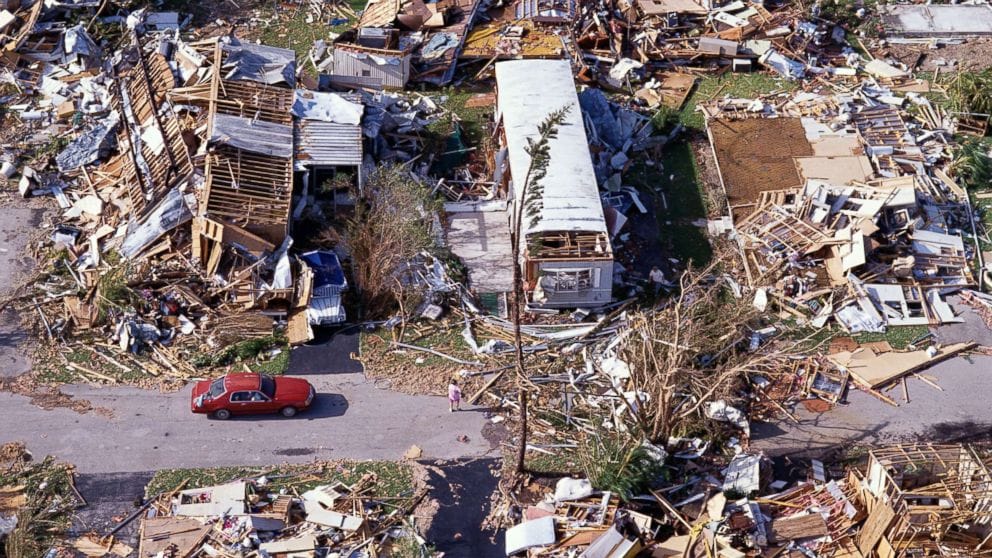
On August 24, Andrew made its most destructive landfall near Homestead, Florida.
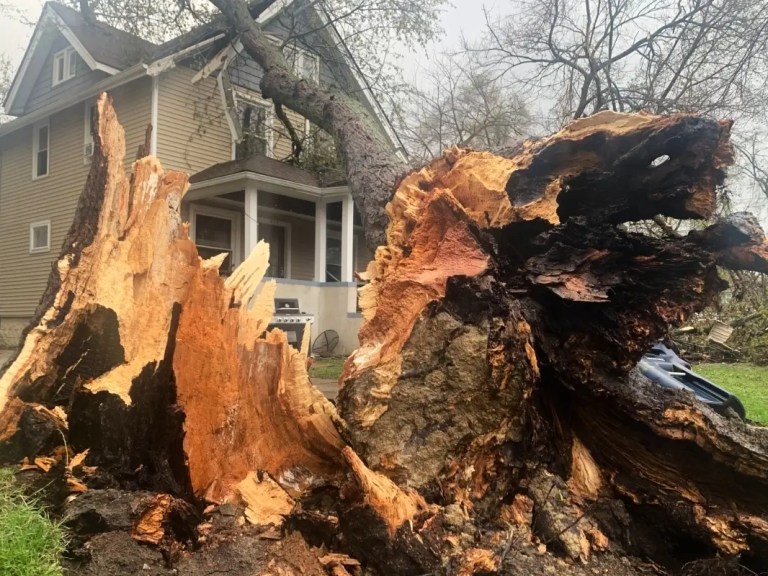
Entire neighborhoods were flattened as the storm unleashed its full القوة. Homes were reduced to rubble, trees were uprooted, and infrastructure collapsed under the force of the winds.
The devastation in Miami-Dade County was unprecedented, marking one of the worst natural disasters in U.S. history.
Storm surge and flooding
In addition to extreme winds, Andrew generated a powerful storm surge.
Coastal areas were inundated as water levels rose dramatically, reaching heights of up to 17 feet (5.2 meters) in some locations. Low-lying regions were flooded, and coastal infrastructure suffered extensive damage.
Human and economic impact
Loss of life and displacement
The hurricane resulted in dozens of fatalities. In the United States, 26 people lost their lives, while additional deaths were reported in the Bahamas.
Thousands of people were injured, and tens of thousands were left homeless as entire communities were destroyed.
One of the costliest disasters of its time
The economic impact of Andrew was enormous. At the time, it caused more than $26 billion in damage, making it one of the most expensive natural disasters in U.S. history.
Businesses were destroyed, infrastructure required massive repairs, and long-term recovery efforts took years.

FILE – This Aug. 25, 1992 file photo shows the water tower, a landmark in Florida City, still standing over the ruins of the Florida coastal community that was hit by the force of Hurricane Andrew. Two decades later, Homestead and Florida City have doubled in size into a demographically different community, better prepared to deal with hurricanes. (AP Photo)
A turning point in hurricane preparedness
The destruction caused by Hurricane Andrew exposed serious weaknesses in building construction and emergency preparedness.
In the years that followed, major changes were introduced:
- stricter building codes in hurricane-prone areas
- improved forecasting systems
- better emergency response planning
These changes have played a crucial role in reducing damage from future storms.
Why Hurricane Andrew is still remembered
More than three decades later, Hurricane Andrew remains a benchmark for extreme weather events.
Its rapid intensification, catastrophic impact, and long-lasting consequences make it one of the most studied hurricanes in history.
It serves as a powerful reminder of how quickly nature can escalate — and how important preparation truly is.